



Title: Large Antique Military Army Display Weapon Signal Cannon
Shipping: $29.00
Artist: N/A
Period: 19th Century
History: N/A
Origin: North America > United States
Condition: N/A
Item Date: 1860 to 1900
Item ID: 194
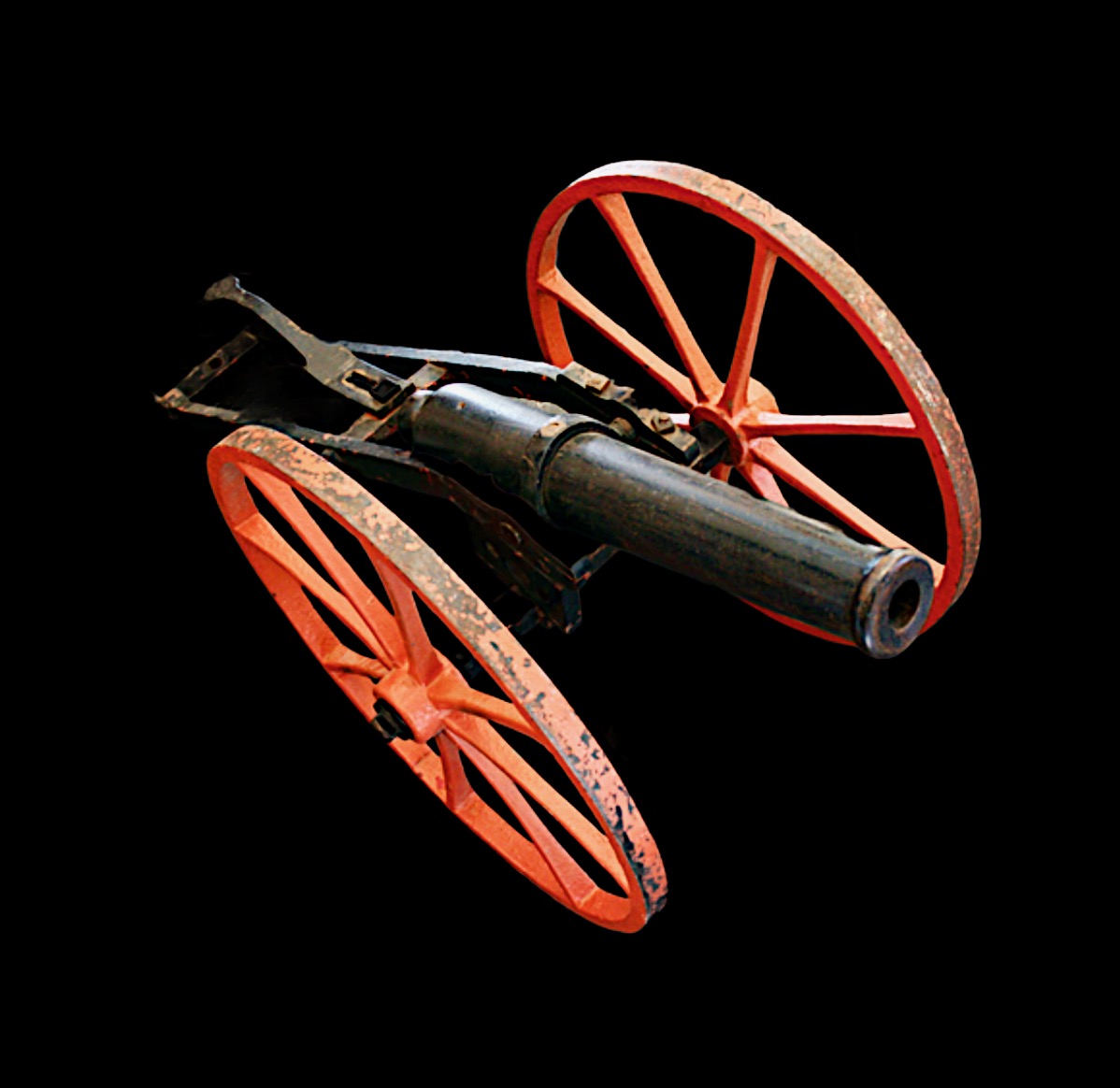
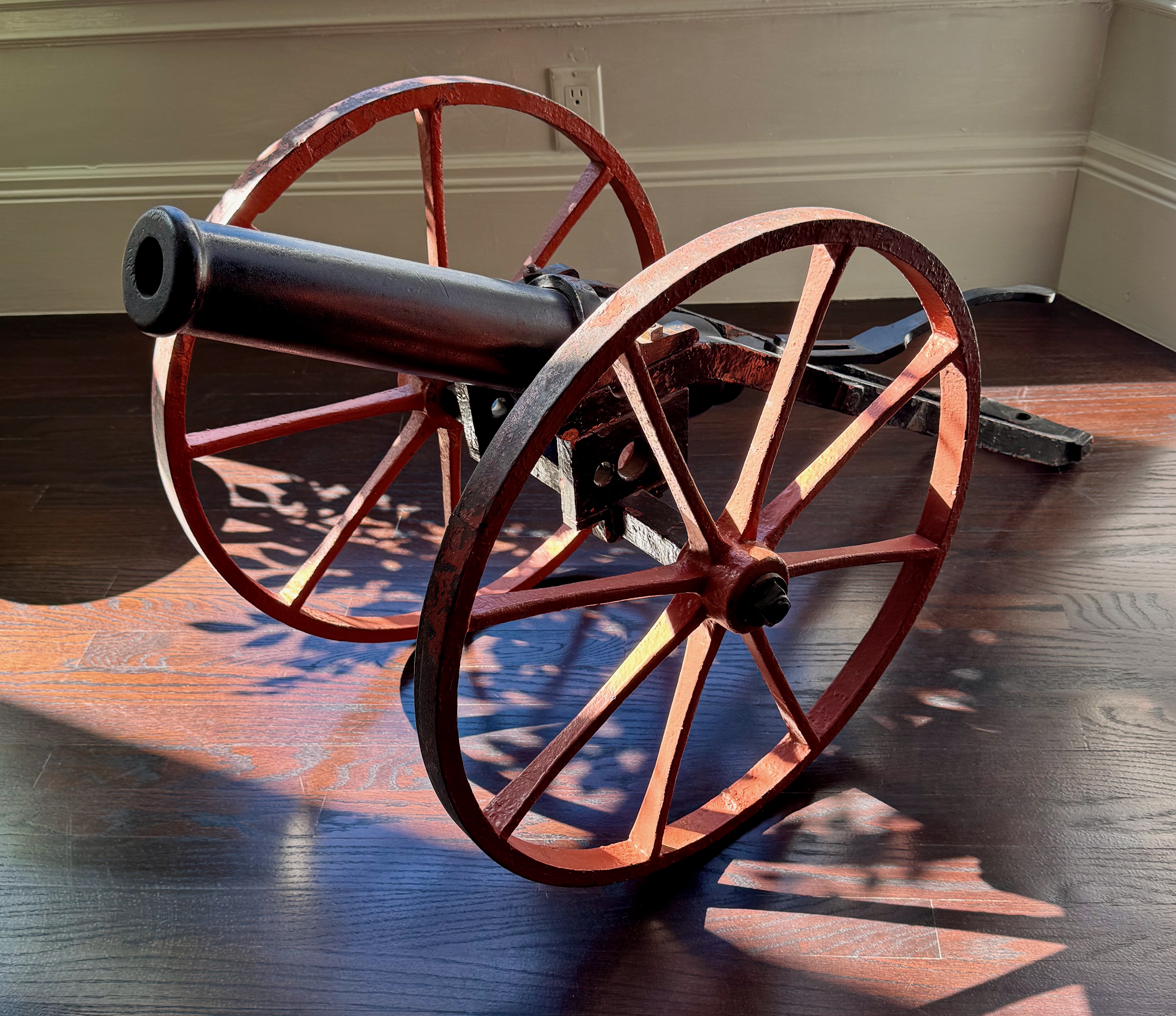
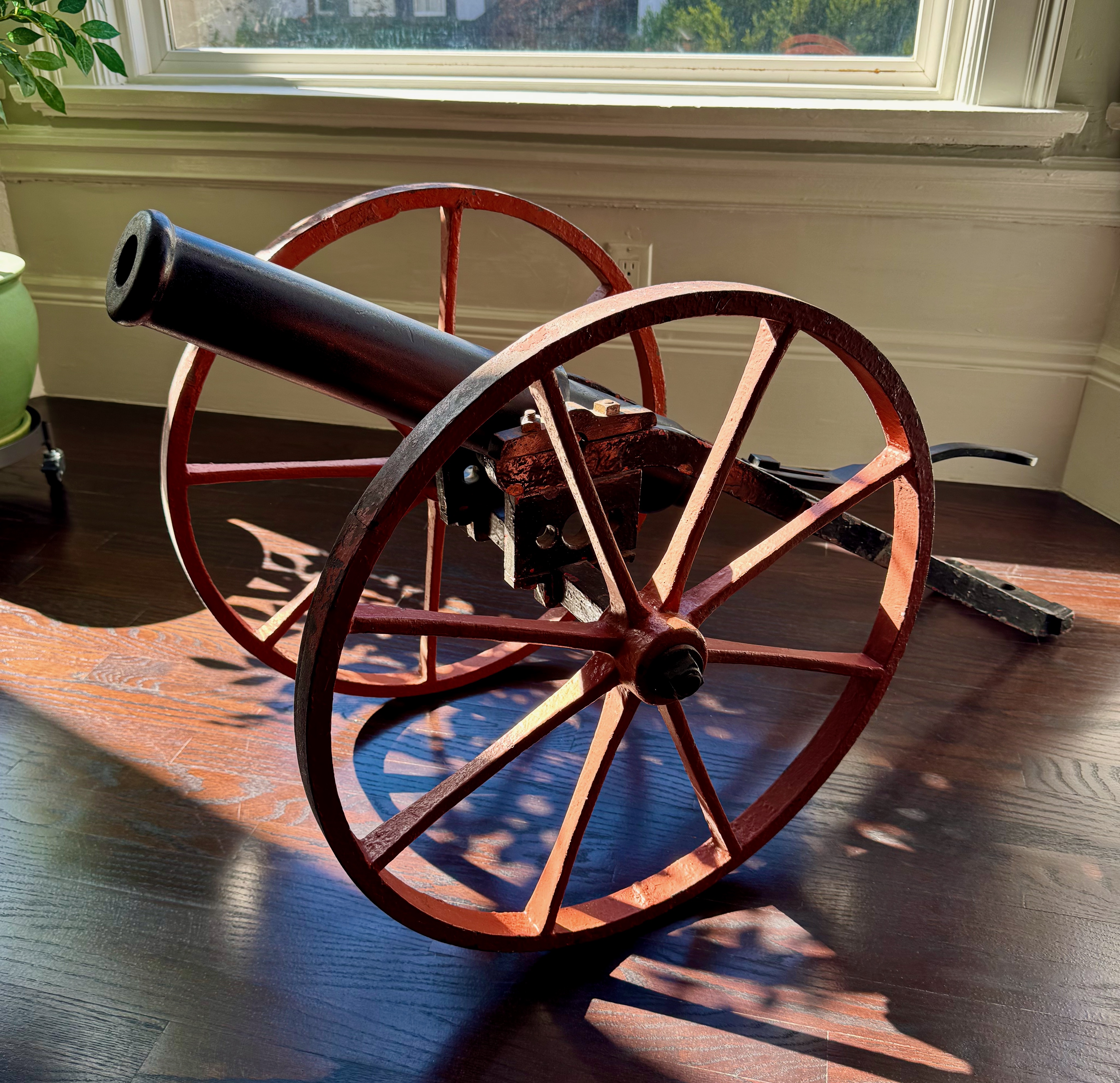
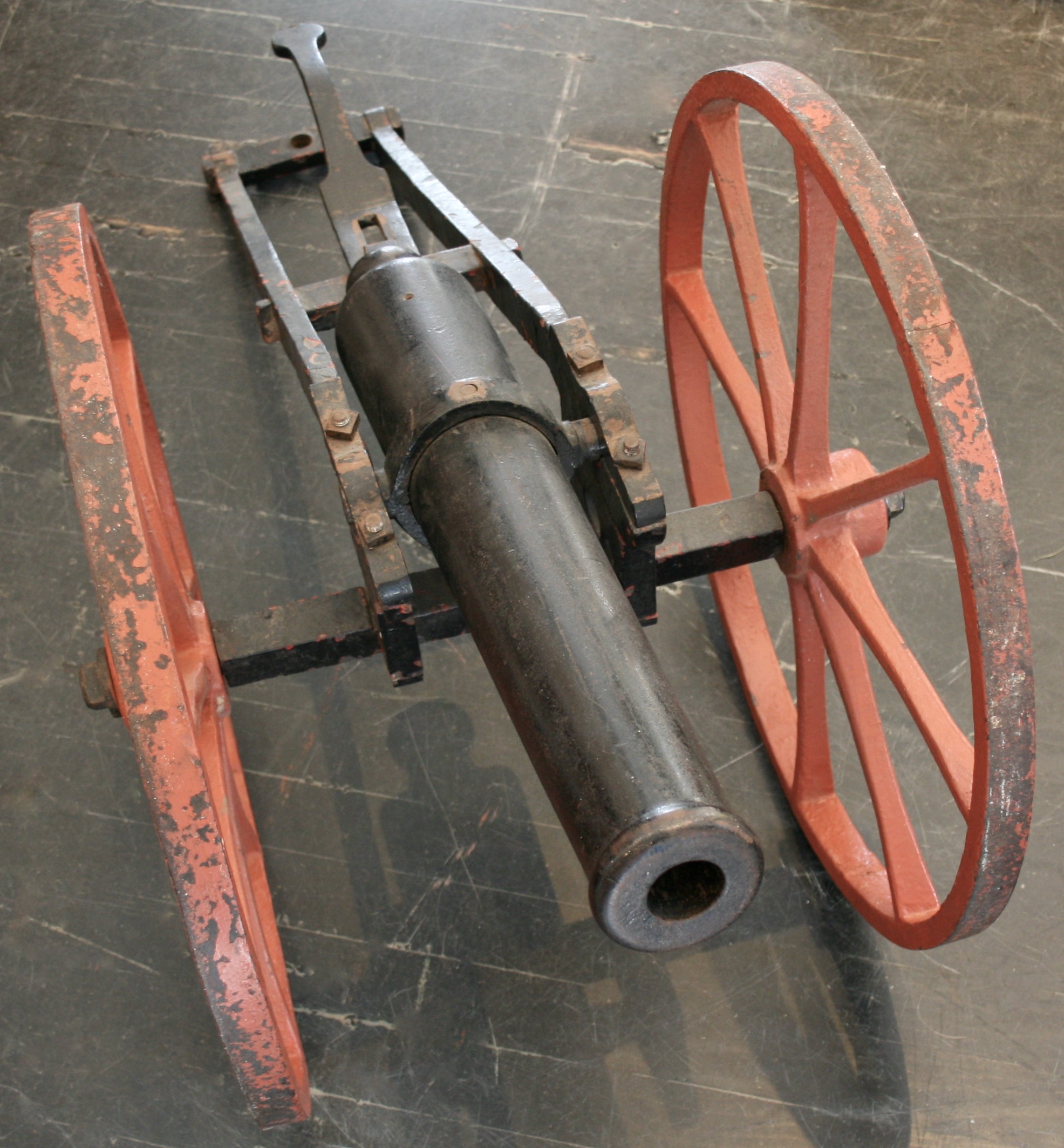
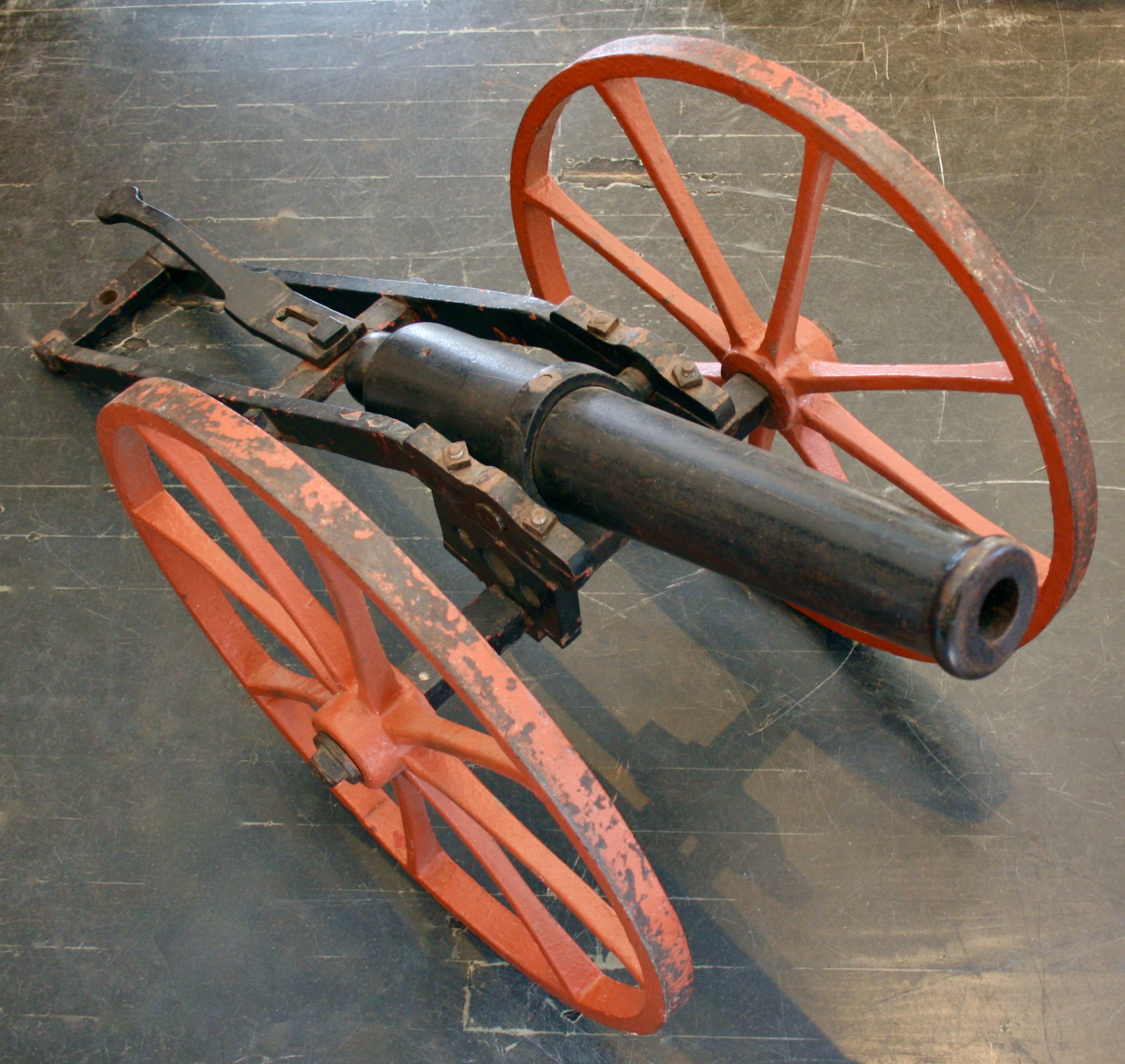
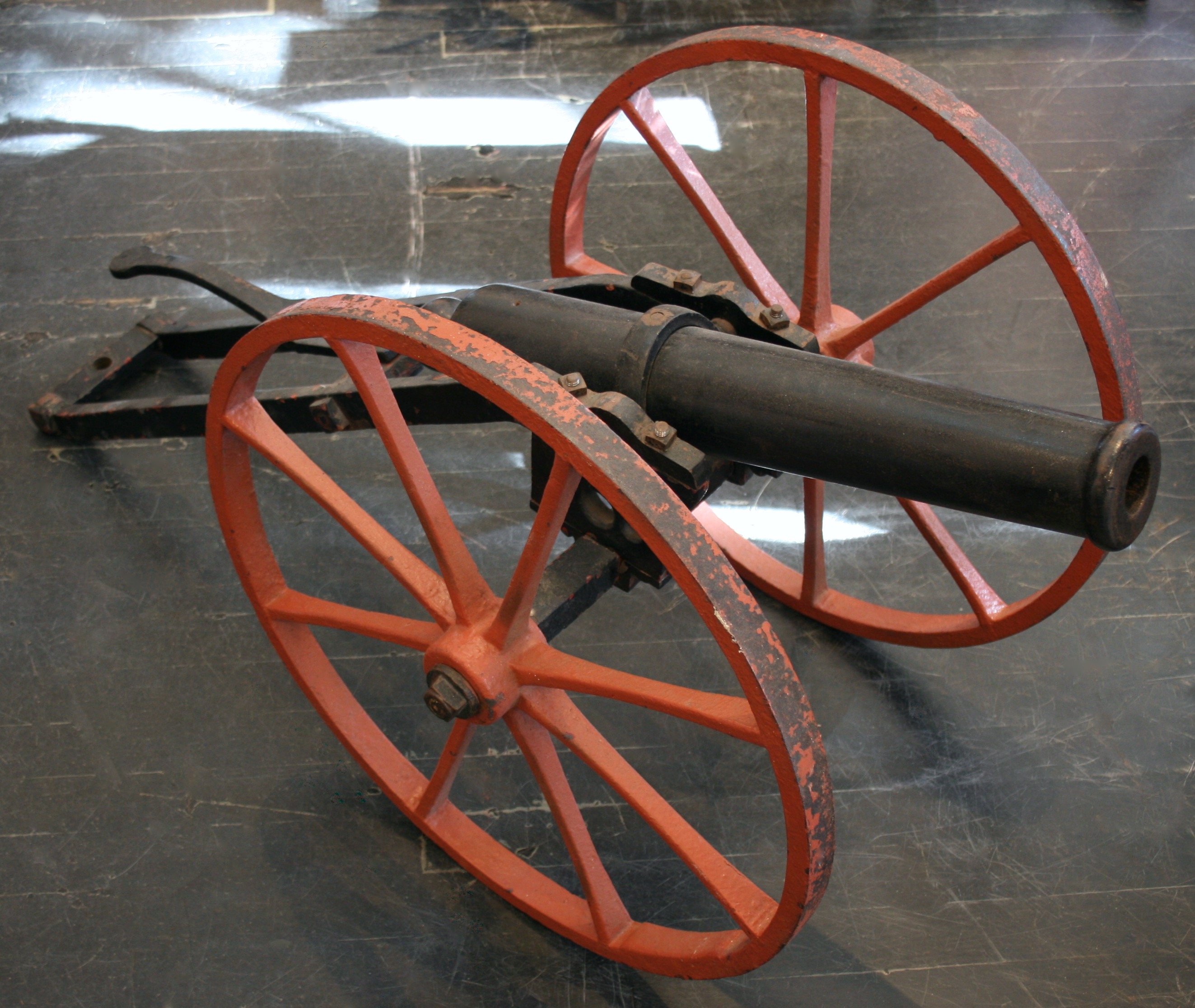
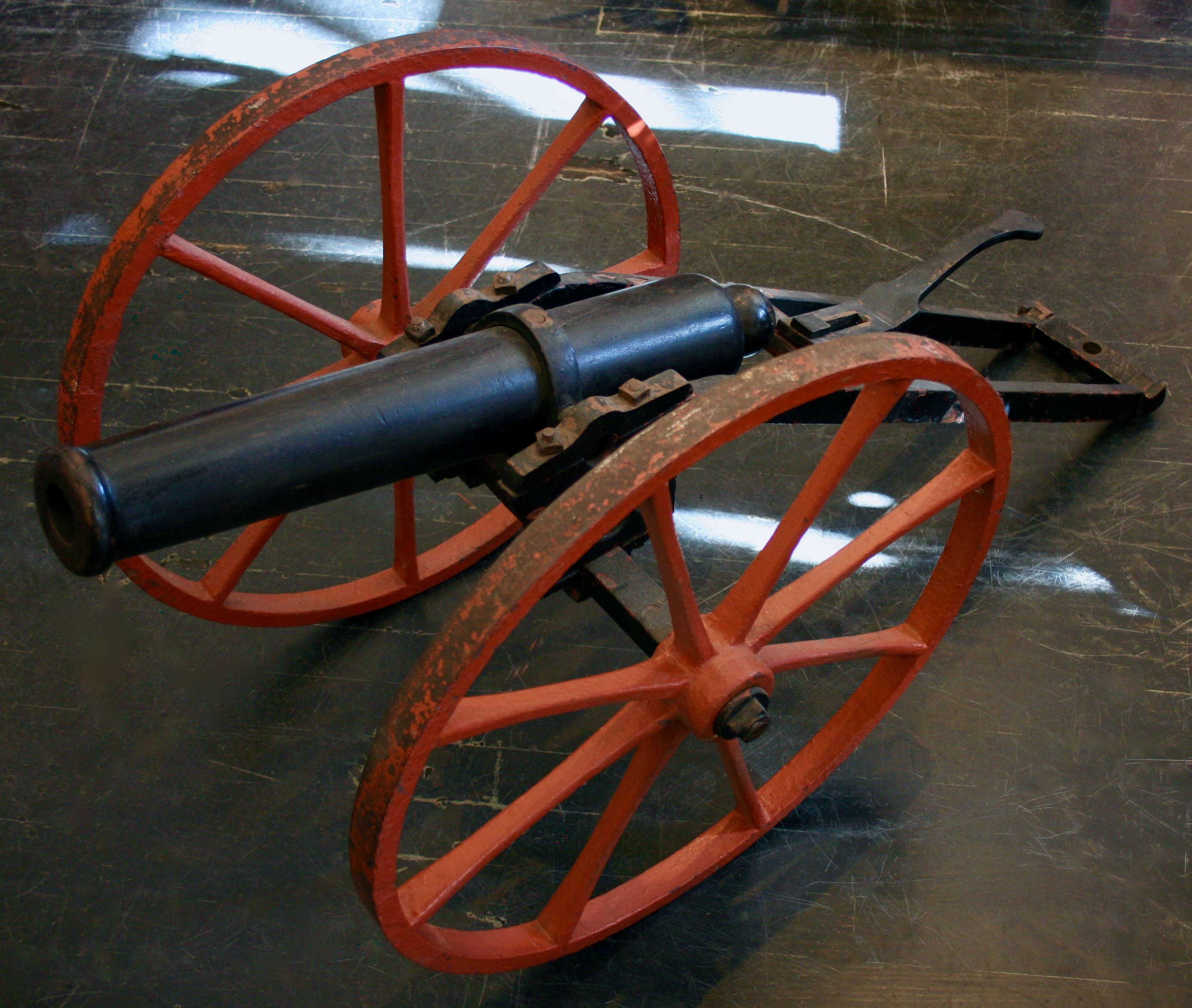
Rare Antique Signal Civil War Cannon. A very large antique signal cannon — an impressive display piece for any home or office. Can you imagine this over your shoulder? It’s certainly a great way to command attention—or intimidate the person sitting across the room! This especially handsome, finely built saluting cannon is based on U.S. Army Civil War field cannons and was made for celebratory use. It’s a serious and substantial piece, weighing approximately 100 pounds, with overall dimensions of L45" x W18" and a L23" barrel. And yes—it works! This is the perfect size for a collectible statement piece. We believe it was built circa 1860–1900, with the carriage likely added at a later time. Saluting cannons became popular fixtures at sporting and patriotic events, on holidays, and in parades—intended to impress all who saw them. The carriage is made of heavy steel, designed to support the barrel, while the finely crafted wheels feature forged steel rims and spokes made by a skilled blacksmith. The cannon remains in excellent original condition. Made during the Civil War era, the barrel retains about 97% of its original hand-forged finish, showing only light aging and a beautiful patina. The natural, unfinished steel tires also display excellent patina with subtle age stains. This is a consignment piece, priced at $10,000. Comparable cannons typically sell for $20,000–$30,000, so we will gladly consider reasonable offers. The cannon is in excellent original condition. The barrel retains approximately 97% of its original hand-forged finish, showing light aging and a fine patina. The natural, unfinished steel tires also display an excellent patina with subtle age-related stains. The history / During the Civil War, a small, cannon-equipped sailboat would silently glide through the darkened waters of a harbor, its shallow draft allowing it to slip unnoticed among the inlets and coves. On deck, a crew of a handful of men readied a light cannon, prepared to harass enemy ships or bombard fortifications. The tension was palpable as they approached their target, the quiet lapping of water against the hull the only sound. With a signal, the cannon fired, the explosion echoing across the harbor, sowing confusion and fear among the enemy. The crew quickly maneuvered to a new position, using their speed and agility to stay one step ahead, striking again before vanishing into the night. These daring raids, though small in scale, demonstrated the power of mobility and surprise, leaving a lasting impression on both sides and cementing the legacy of these agile, lightly armed vessels in naval history.
The development of modern artillery occurred in the mid to late 19th century as a result of the convergence of various improvements in the underlying technology. Advances in metallurgy allowed for the construction of breech-loading rifled guns that could fire at a much greater muzzle velocity. During the American Civil War (1861–1865), both Union and Confederate forces adapted small sailboats for offensive and defensive operations in harbors, rivers, and coastal waters. Many of these were converted civilian vessels, equipped with light artillery such as 1- to 12-pounder cannons or swivel guns, sufficient to harass enemy ships, bombard fortifications, or destroy supplies. Their shallow drafts allowed them to navigate rivers, creeks, and inlets that were inaccessible to larger warships, and their speed and maneuverability made surprise attacks possible, often under cover of darkness. Confederate “mosquito fleets” used these agile boats to disrupt Union shipping along the Southern coast, while Union armed schooners and sloops enforced blockades and assaulted Confederate positions. Some even carried spar torpedoes, early explosive devices mounted on poles to ram enemy ships. These small, cannon-equipped sailboats were intended as much for psychological impact as physical destruction, creating fear and disruption disproportionate to their size. Their use demonstrated the effectiveness of mobility, shallow-draft vessels, and light artillery in naval warfare, leaving a legacy that influenced future riverine and coastal patrol strategies.
Link: https://en.wikipedia.org/wiki/Artillery
The development of modern artillery occurred in the mid to late 19th century as a result of the convergence of various improvements in the underlying technology. Advances in metallurgy allowed for the construction of breech–loading rifled guns that could fire at much greater muzzle velocity.