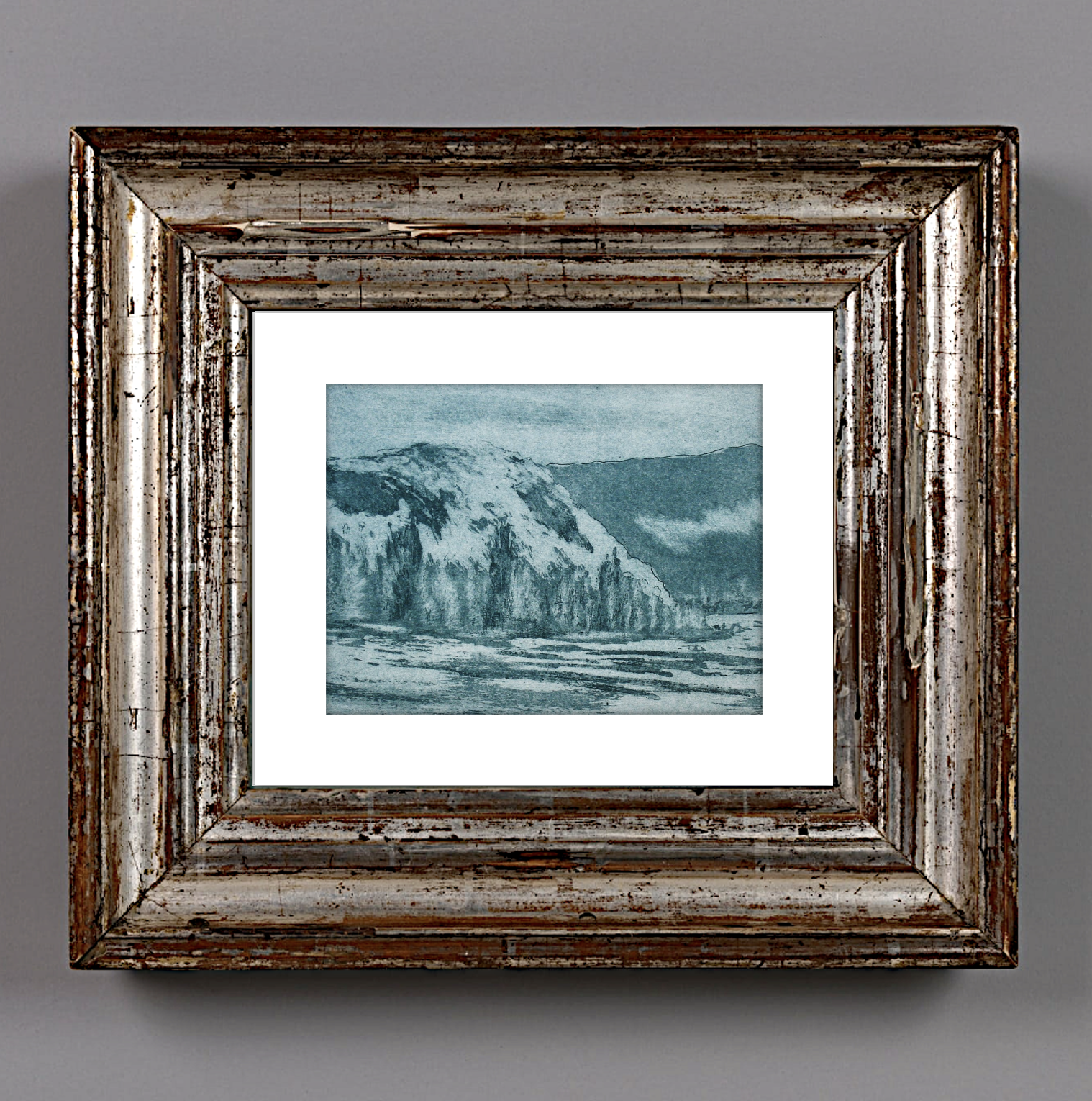


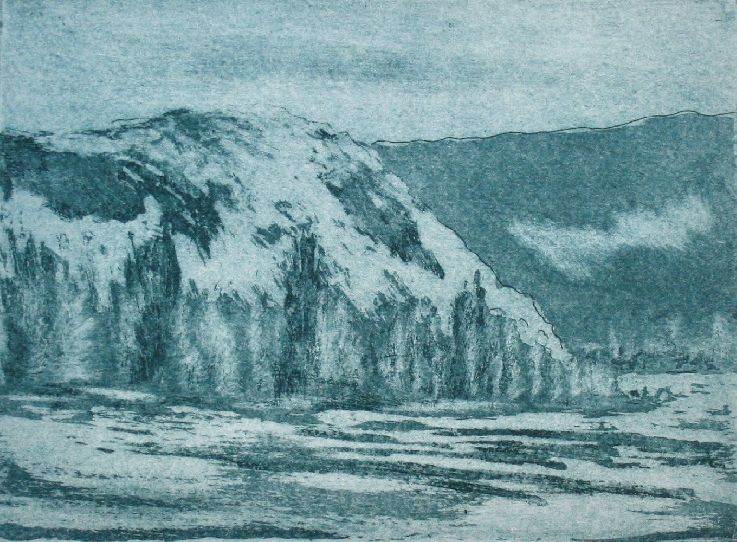
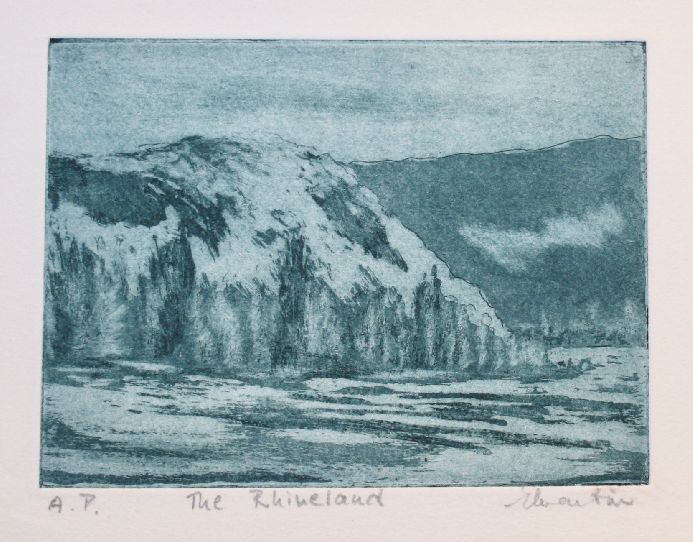
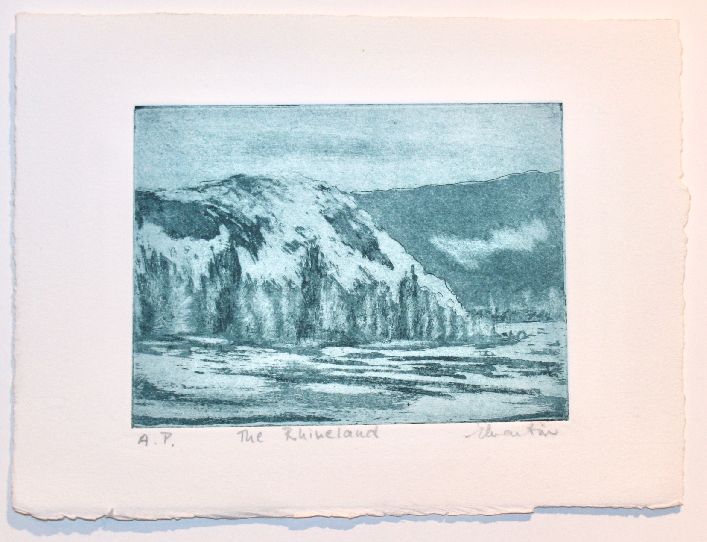
Title: Little Vintage Landscape Signed Lithograph Art Print
Shipping: $29.00
Artist: N/A
Period: 20th Century
History: Art
Origin: North America > United States
Condition: Excellent
Item Date: N/A
Item ID: 42
A beautifully executed original landscape lithograph print, this work demonstrates the artist’s exceptional skill. Examine the details closely—they reveal the mastery behind the piece. If you’re searching for a charming, small print, this is it. Framed beautifully, it would look spectacular as part of a montage. Imagine a grouping of these little signed prints on a wall—each one making a unique statement. Since the late 19th century, artists have typically signed individual impressions from an edition and often numbered them to create a limited edition. The matrix is then destroyed, ensuring that no additional prints can be produced.
Prints are created by transferring ink from a matrix or through a prepared screen onto a sheet of paper or another material. Common types of matrices include metal plates—usually copper or zinc—or polymer plates for engraving and etching; stone, aluminum, or polymer for lithography; blocks of wood for woodcuts and wood engravings; and linoleum for linocuts. Screens made of silk or synthetic fabrics are used in the screenprinting process.
Link: https://en.wikipedia.org/wiki/Printmaking
Printmaking is the process of creating artworks by printing, normally on paper. Printmaking normally covers only the process of creating prints that have an element of originality, rather than just being a photographic reproduction of a painting. Except in the case of monotyping, the process is capable of producing multiples of the same piece, which is called a print. Each print produced is not considered a "copy" but rather is considered an "original". This is because typically each print varies to an extent due to variables intrinsic to the printmaking process, and also because the imagery of a print is typically not simply a reproduction of another work but rather is often a unique image designed from the start to be expressed in a particular printmaking technique. A print may be known as an impression. Printmaking (other than monotyping) is not chosen only for its ability to produce multiple impressions, but rather for the unique qualities that each of the printmaking processes lends itself to.