

Title: Acrylic 3-Dimensional Wall Paintings & Sculpture By Artist Nick Acid
Shipping: $29.00
Artist: N/A
Period: Contemporary
History: N/A
Origin: North America > United States
Condition: Excellent
Item Date: New & Custom
Item ID: 6499
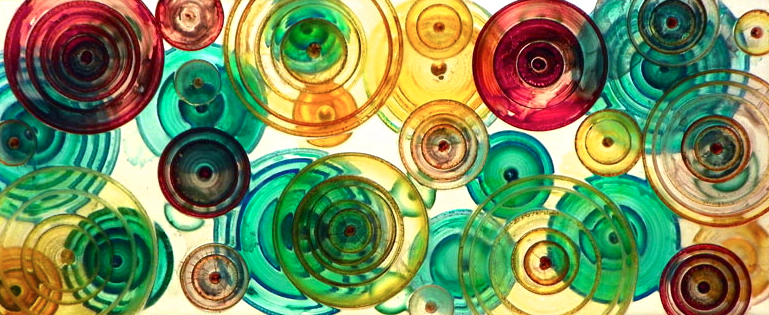
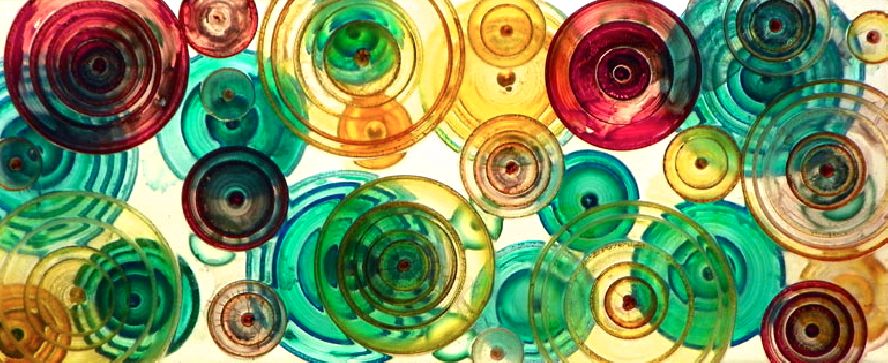
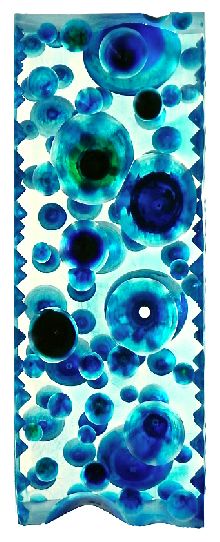
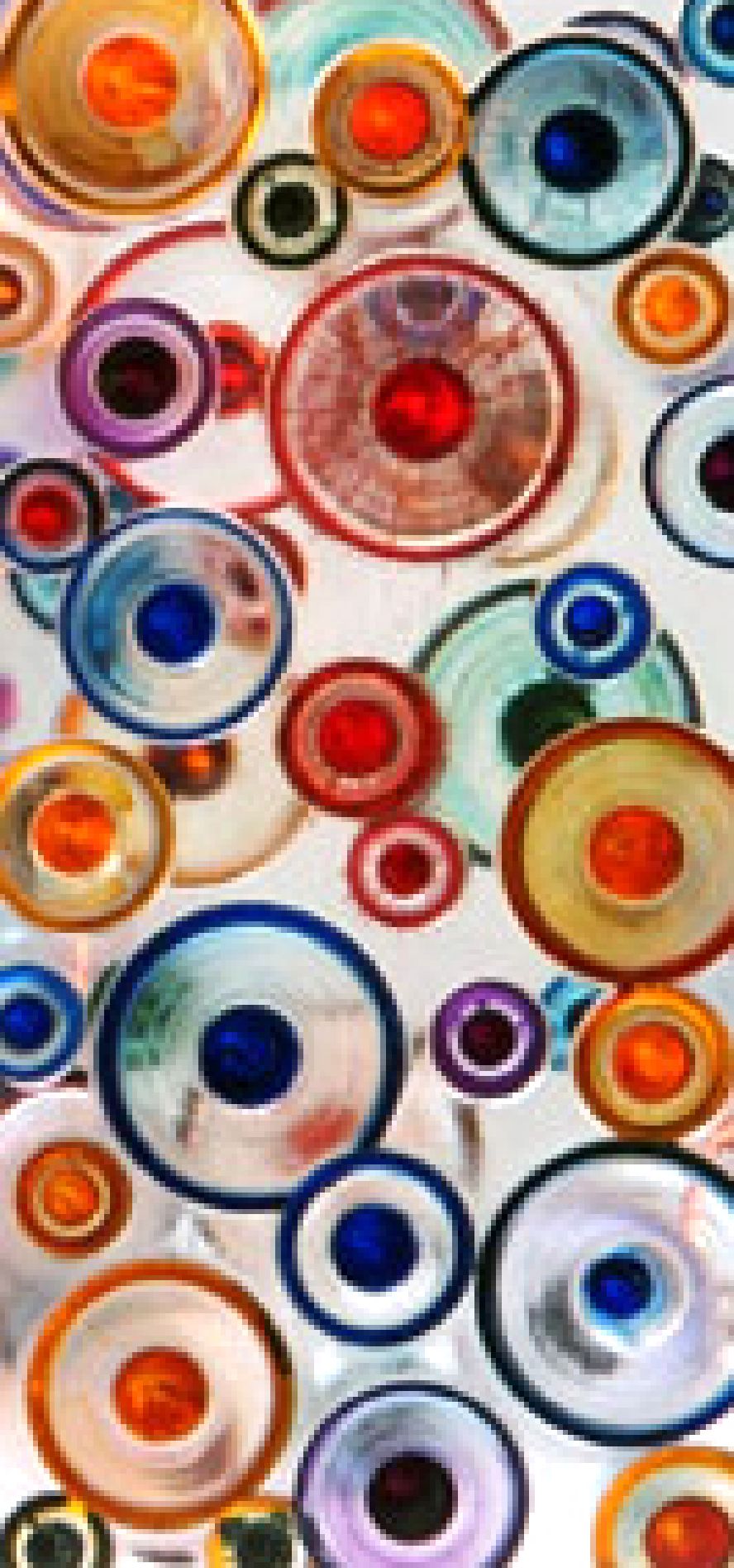
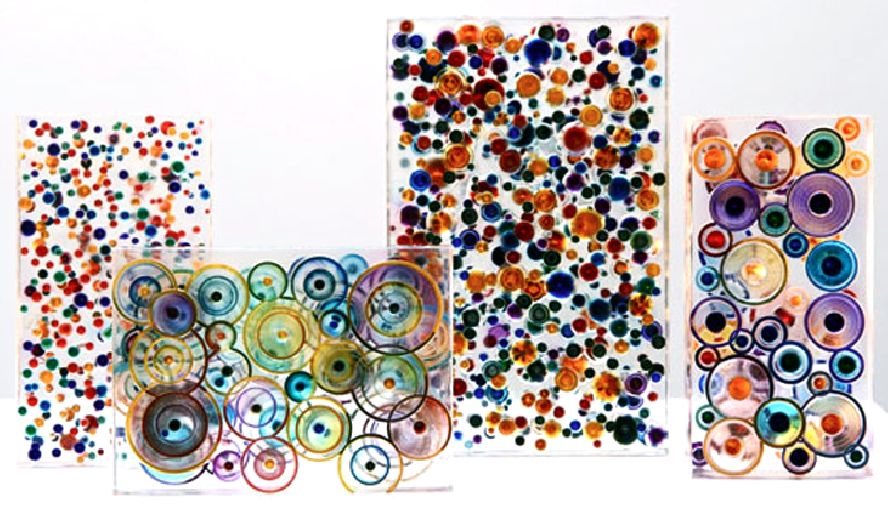
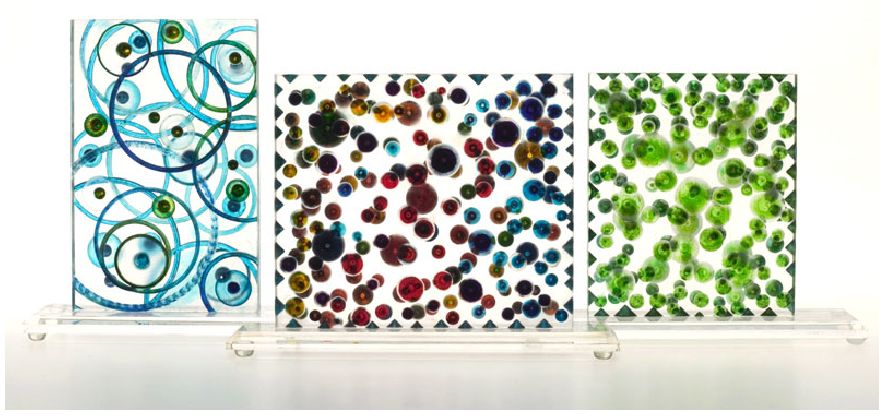
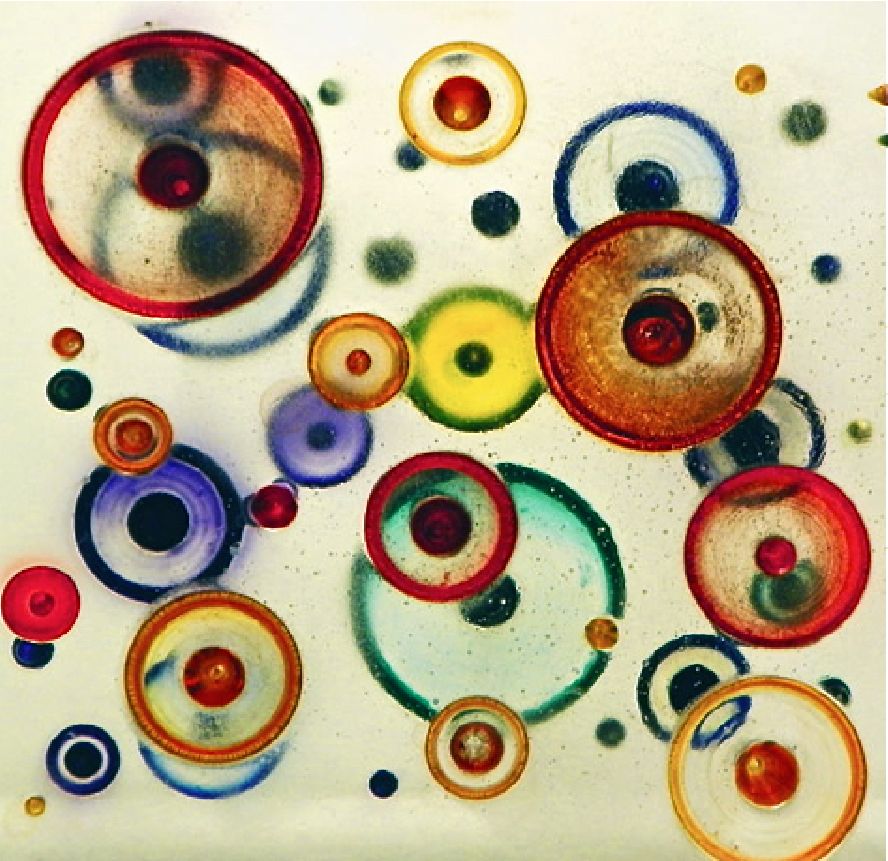
Custom sizes and colors are available, with easy wall installation. Price upon request. Status: Exclusive / Consignment. These new acrylic three-dimensional wall paintings and sculptures are created using Agid Acrylic, a cast acrylic sheet machined with special tooling developed by the artist and enhanced through a proprietary color additive process that permanently bonds to the material. The acrylic can be solvent-welded into geometric forms, drape-formed, or blow-formed into domes, spheres, and arches, with thicknesses ranging from ½ inch to 2 inches or more, and can be produced in virtually any size as a wall hanging or sculpture. This innovative technique represents a new art form and reflects artist Nick Agid’s unique synthesis of historical and industrial production methods. A multidisciplinary artist, craftsman, design professor, and founder of Agid Arts, Agid is known for blending traditional processes with modern technologies, including incorporating 3D-printed PLA into the centuries-old lost-wax casting method to create brass and glass works. His organically inspired glass pieces are exhibited in galleries nationwide, and he continues to explore new frontiers in manufacturing and artistic creation. All artworks are carefully curated for exceptional quality and craftsmanship, selected with both the artist and collector in mind. We specialize in high-end luxury fine art and collectibles from private estates, sourcing contemporary, vintage, antique, and rare works worldwide, and we welcome dealers, galleries, and private collectors to register securely and purchase with confidence.
In a quiet studio filled with warm light and polished materials, Artist Nick Acid creates Acrylic Three-Dimensional Wall Paintings and Sculptures that transform industrial acrylic into luminous works of art. Fascinated by symmetry and balance, he machines cast acrylic sheets using specialized tooling he developed and enhances them with a proprietary color infusion process that permanently bonds pigment into the material, creating remarkable depth and clarity. His work evolves from flat panels into dimensional forms—domes, arches, spheres, and geometric structures—crafted through solvent welding, drape forming, and blow forming, resulting in pieces that feel both architectural and organic. Light interacts with each sculpture throughout the day, shifting tone and shadow, making the artwork feel alive within its environment. Blending traditional craftsmanship with modern fabrication techniques, Nick stands at the intersection of past and future production methods, approaching every project with curiosity and precision. His sculptures are known for their hybrid identity—part painting, part sculpture, part architectural statement—designed to adapt to space while commanding attention through balance, clarity, and refined execution.
Link: http://en.wikipedia.org/wiki/Installation_art
Installation art is an artistic genre of three-dimensional works that are often site-specific and designed to transform the perception of a space. Generally, the term is applied to interior spaces, whereas exterior interventions are often called public art, land art or intervention art; however, the boundaries between these terms overlap.
nstallation as nomenclature for a specific form of art came into use fairly recently; its first use as documented by the Oxford English Dictionary was in 1969. It was coined in this context, in reference to a form of art that had arguably existed since prehistory but was not regarded as a discrete category until the mid-twentieth century. Allan Kaprow used the term “Environment” in 1958 (Kaprow 6) to describe his transformed indoor spaces; this later joined such terms as “project art” and “temporary art.”
Essentially, installation/environmental art takes into account a broader sensory experience, rather than floating framed points of focus on a “neutral” wall or displaying isolated objects (literally) on a pedestal. This may leave space and time as its only dimensional constants, implying dissolution of the line between "art" and "life"; Kaprow noted that “if we bypass ‘art’ and take nature itself as a model or point of departure, we may be able to devise a different kind of art... out of the sensory stuff of ordinary life” (Kaprow 12).